At first glance, you might notice Kurt Morgenthaler’s precise compositions or his confident use of light and shadow, but behind those images is a lifetime of creativity that started far from the camera. Born in Bern and now 81 years old, Kurt spent four decades running his own hair salon while also carving wood and creating graphite drawings before photography entered his life as a way to document his art. Today, he roams Switzerland with a Panasonic GX80 and G9 II, a single lens in his bag, and an open, curious eye. In this Q&A, we explore how Micro Four Thirds cameras fit his way of seeing, why he loves working straight out of camera, and what keeps him inspired to keep creating every day.
Can you tell us a bit about yourself? Where you’re from, what you do, and how photography became an important part of your life.
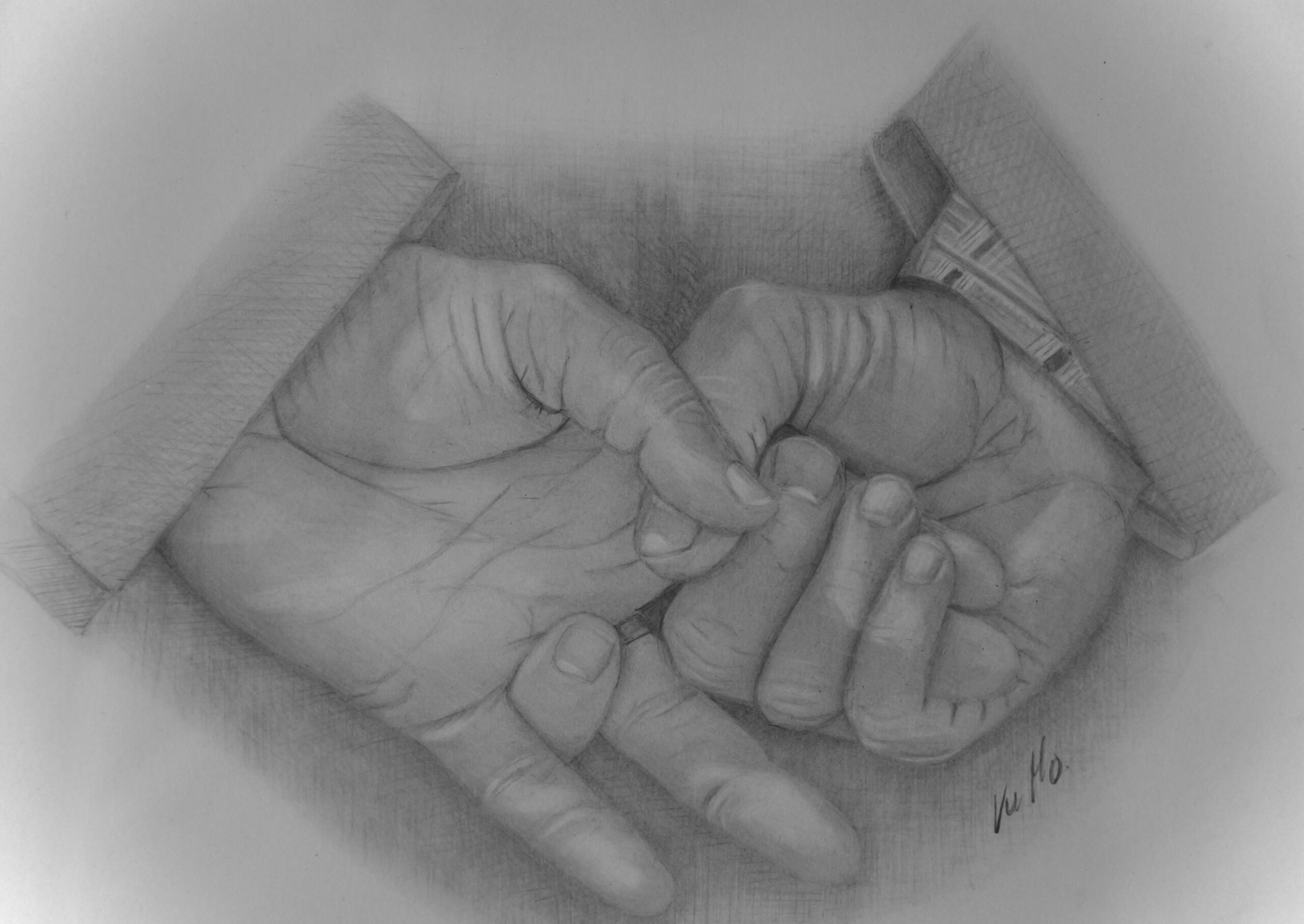
My name is Kurt Morgenthaler, I am 81 years old, and I live in Switzerland. I was born in Bern and later I lived many years in the country. My profession was hairdresser . I was member of the “Coiffeur artistique Suisse” and ran my own hair salon in Bern for 40 years. Art has been a constant companion and a source of fascination throughout my life. In my youth, I created wooden sculptures with carving knives and larger pieces with a chainsaw. Later, I began drawing. I specialized in graphite drawings, which is when photography came into play. I needed high-quality photos for brochures for my exhibitions.
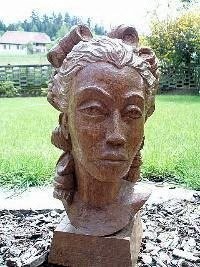
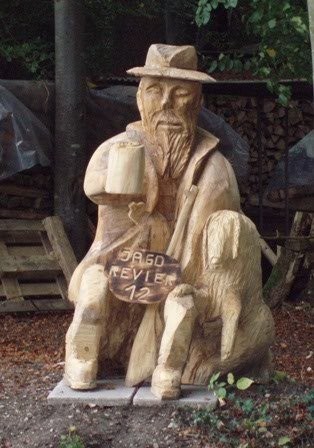
You’ve been using the Panasonic GX80 (GX85) for a while now. What do you enjoy most about this camera and how does it fit your style of shooting?
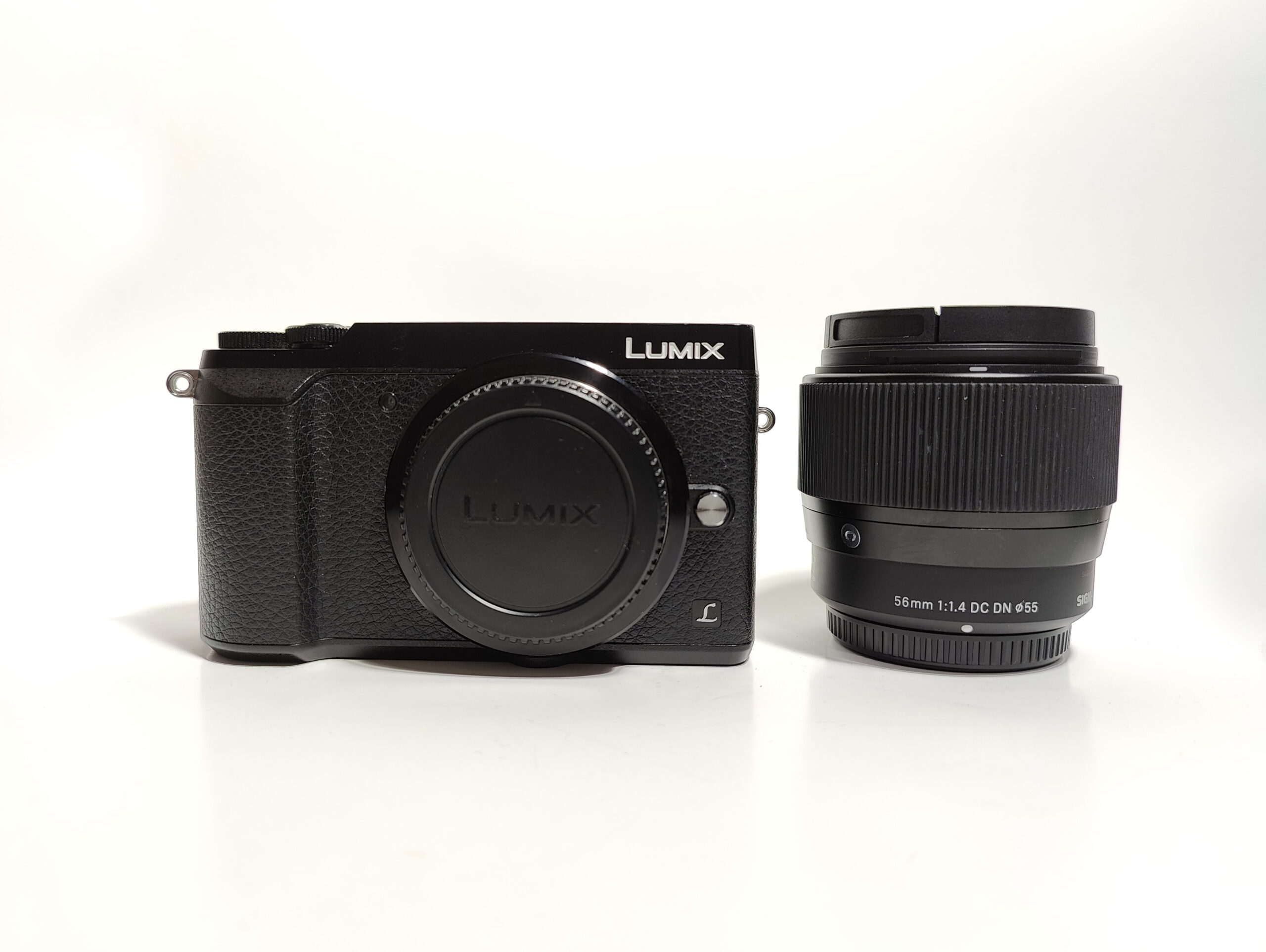
Since my retirement, my Lumix GX 80 has accompanied me with the Lumix 25/14/48.5 prime lenses and a 12/32 kit lens. Later, I added the Lumix Vario 7/14, Lumix Vario 100/300, Lumix Leica Vario 12/60, and Lumix Macro 30. About a year ago, I bought the G9ii so I could continue using my lenses.
I always have a camera with me when I leave the house. I photograph whatever catches my eye. Of course, sometimes I visit a specific place to take pictures. I usually only carry one lens. Prime lenses, Wide-angle lenses, and Zoom lenses create completely different visual expressions of the same subject, which fascinates me and helps me improve my photography.
The Lumix GX80 is very light and discreet, which is the ideal combination for street photography with the 14mm f/2.5 prime lens. I’ve been shooting a lot with the GX80 lately because I’ve been exploring the in-camera double exposure feature. Unfortunately, they removed it from the G9 Mark II.
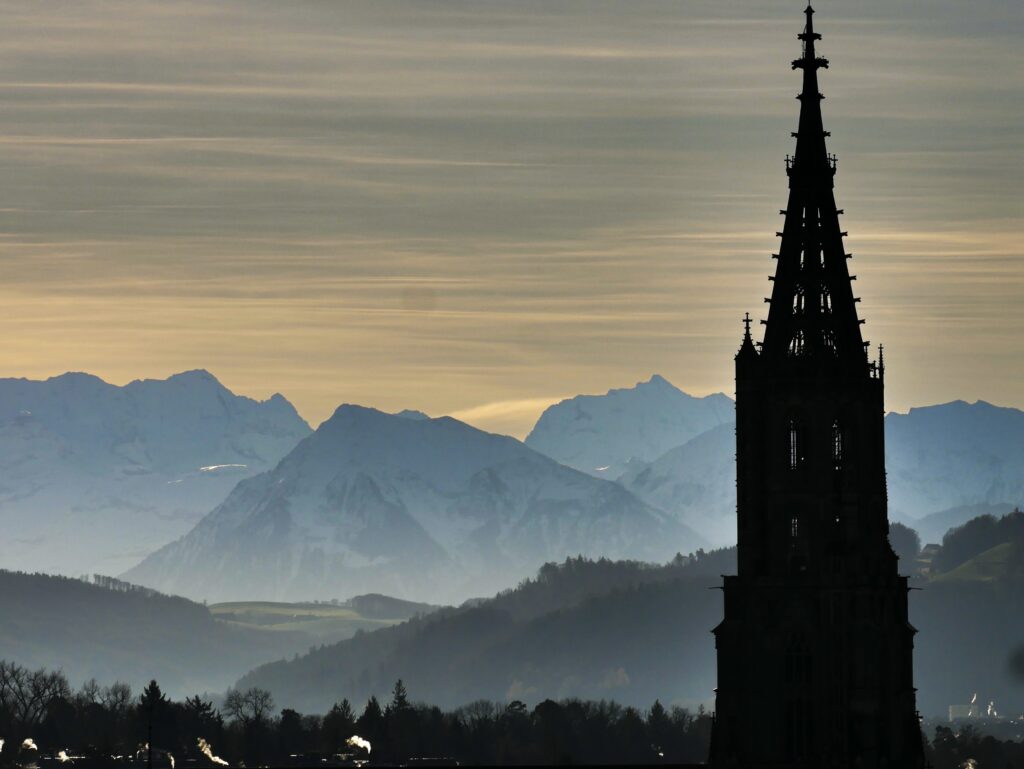
You work exclusively with the Micro Four Thirds system. What makes you choose it over full-frame or APS-C systems, and how has it shaped the way you shoot?
Yes, I shoot exclusively with Micro Four Thirds (MFT), which offers many advantages.
First of all, both the camera and the lenses are munch smaller and lighter then full-frame cameras. The smaller sensor allows much more space for picture stabilization. Handheld shooting is much easier.
I really like the 4:3 aspect ratio of MFT sensors. The close focusing distance, the wide aperture and the depth of field on the Lumix camera are all great features.
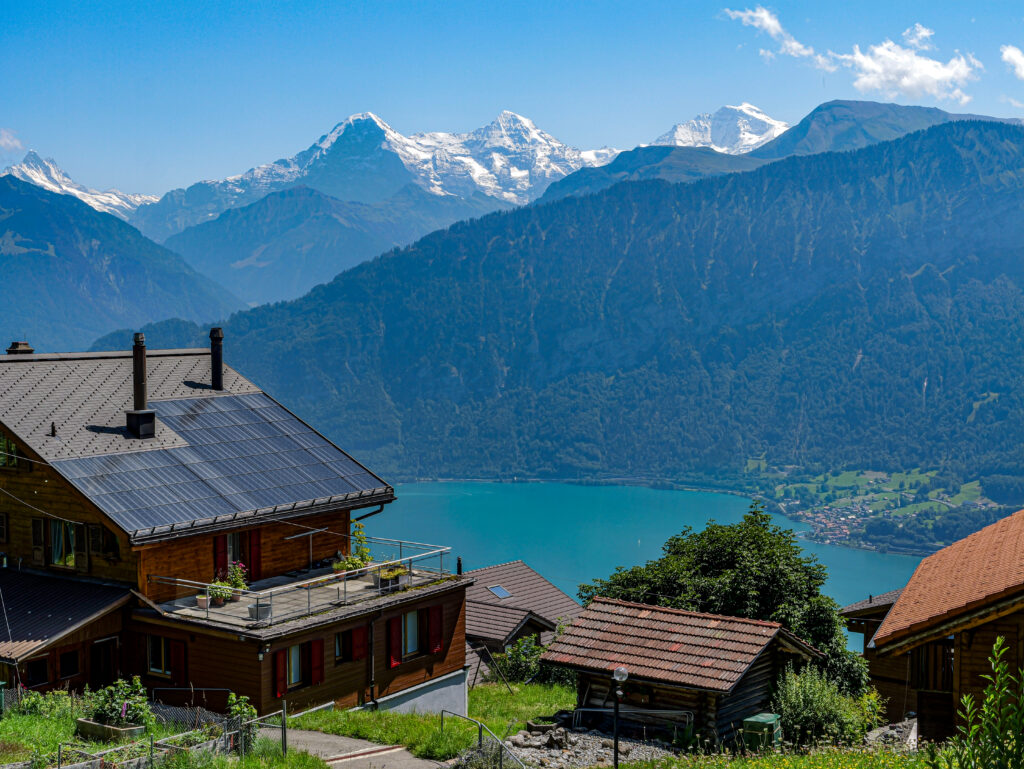
Your compositions balance geometry and atmosphere beautifully. When you frame a shot, what’s the first thing you focus on — the light, the lines, or the overall mood?
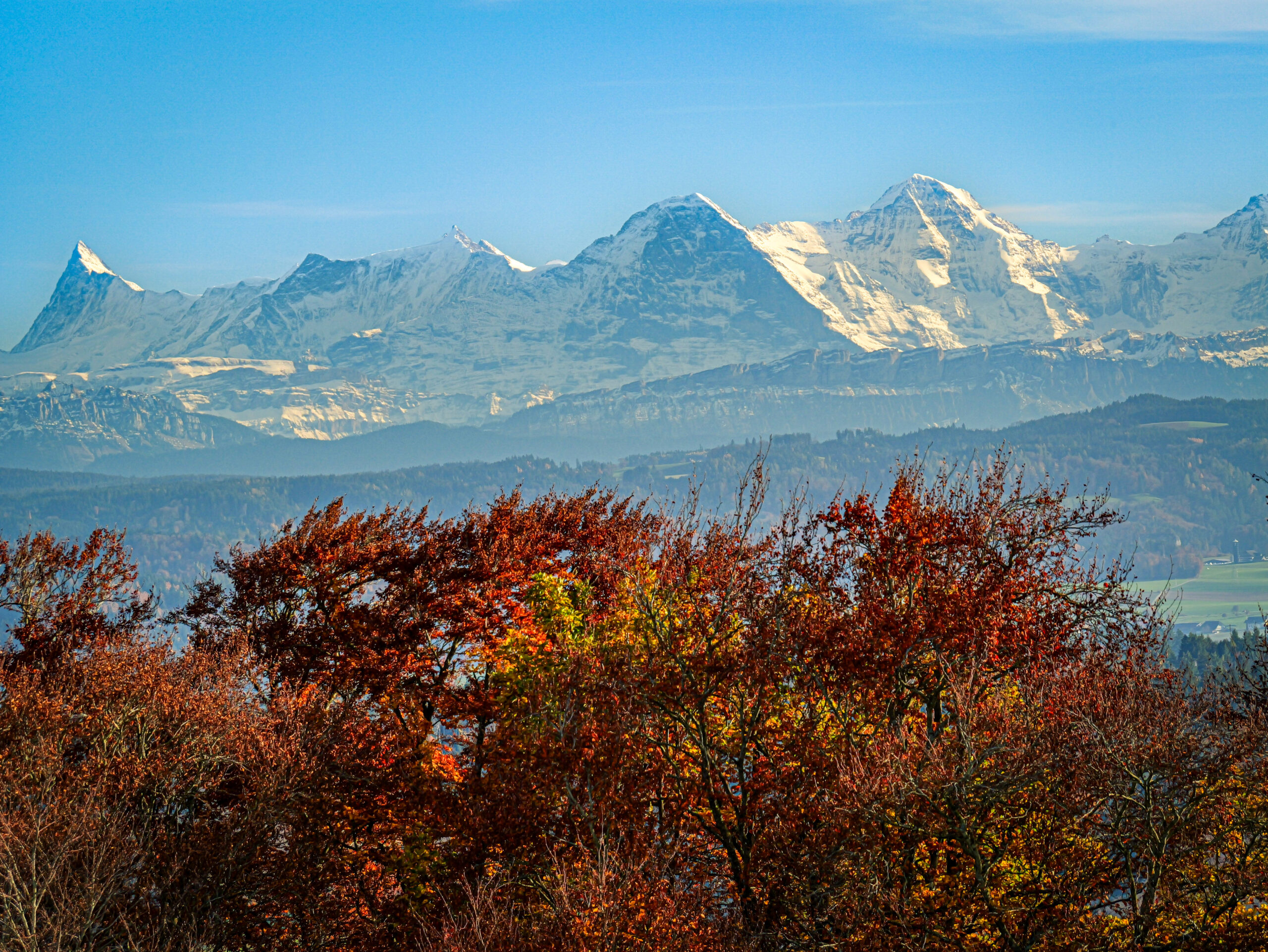
When taking photos, I rely on my perception. Light and shadow, lines leading into the frame, and small foreground elements they all influence my compositions. I also try to compose more and more pictures directly in the camera. This saves a lot of work on the computer.
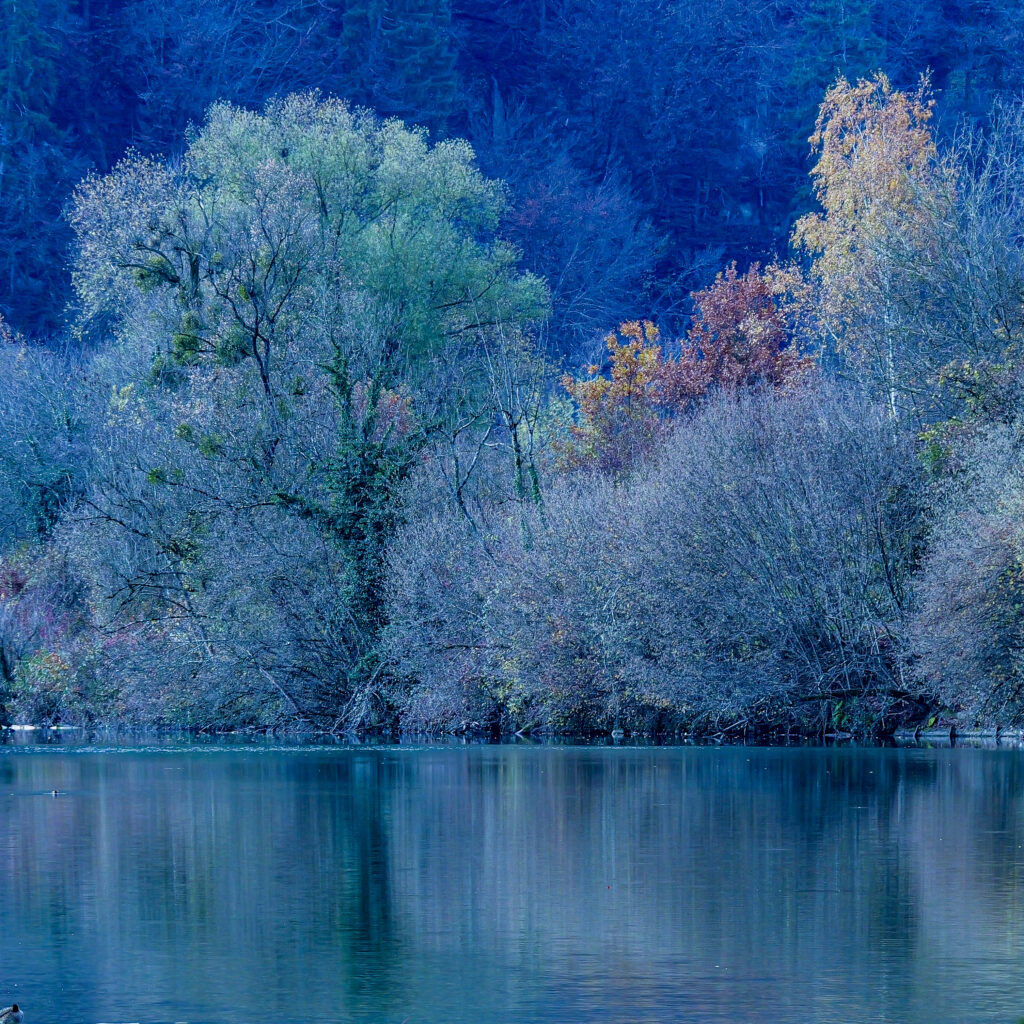
You capture both urban and natural environments with equal skill. Do you plan your shoots around certain locations or do you prefer a more spontaneous approach?
I usually don’t plan: as mentioned before, I always have a camera with me and spontaneously see a subject that captivates me. Sometimes, especially in landscape photography, I choose a specific spot and take the time to set up my tripod and compose the image.
Working with filters requires more preparation. I need fog filters to achieve a hazy effect, the CPL polarizing filter primarily for water and sky, andthen the three strengths of the ND filters: 8, 64, and 1000 for long exposures.

Color and tone play a big role in your images. What’s your general approach to post-processing — do you aim for natural realism or a specific visual style?
I always try to shoot more straight out of the camera. With the G9 II, which has a LUT function, you can achieve some very nice effects. The new Lumix Lab app offers many options for loading LUTs onto the camera.
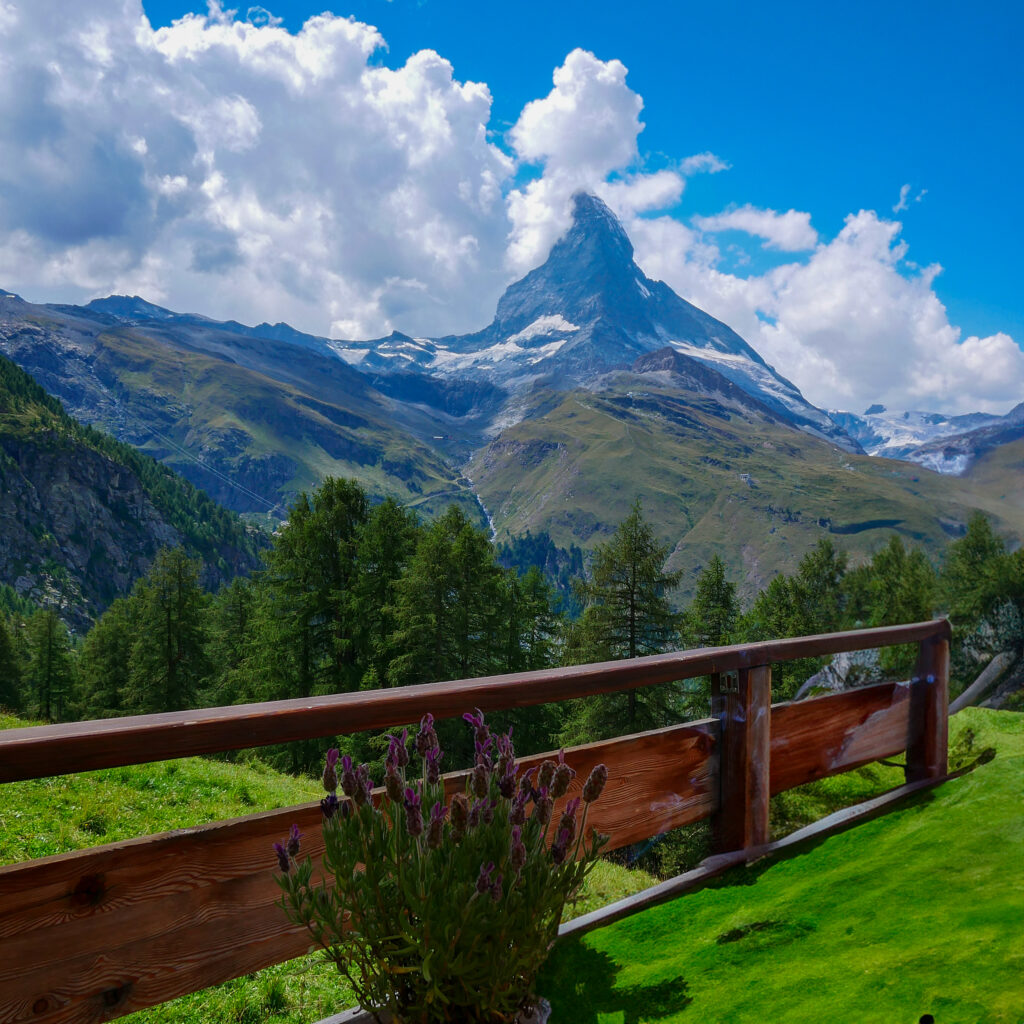
Some of your photos have a timeless, cinematic quality. Who or what influences your creative direction — any photographers, artists, or films that inspire you?
I occasionally visit photo exhibitions like the IPFO Festival in Olten, etc. I follow some photographers in particular, including: Andreas Jorns (Germany) Krolop and Gerst (Cologne, Germany),
Especially: Martin Krolop and Thilo Vorderbrück Krolop and Gerst delve into the fundamentals of photography:
The Great Lens Series 02 with Anders Uschold and Martin Krolop Summarized in 34 videos, it’s incredibly informative and interesting, explaining how lenses work and how they are assembled.
The Sensor Series with Hans Schlüter and Martin Krolop shows what happens to light when it hits the sensor and how it is processed. In 26 videos, it provides insights into this complex subject. So, I’m also interested in the technical aspects!
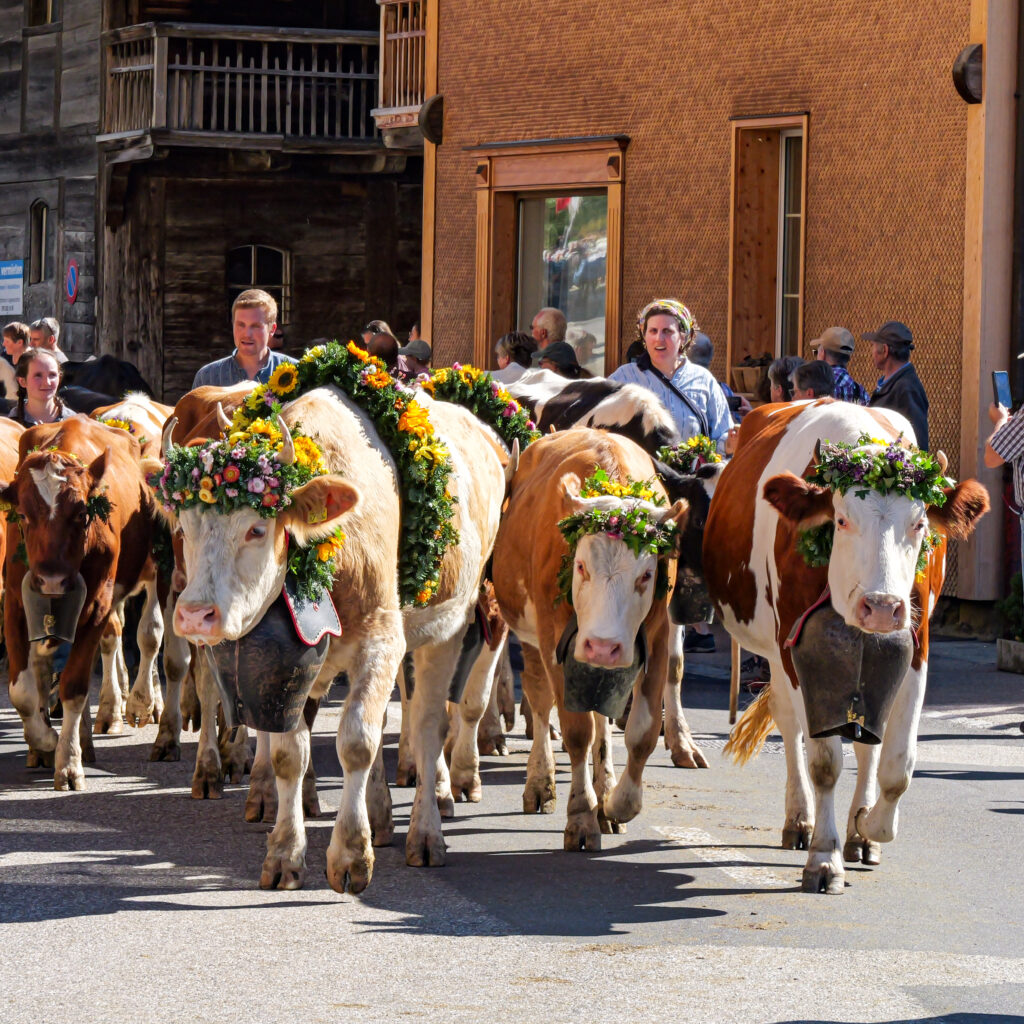
Photography can be both technical and meditative. What keeps you motivated to continue exploring and creating?
Being creative has been a constant companion throughout my life. My creativity as a hairdresser, wood sculptor, and illustrator, as well as my work as a photographer, continually motivates me to explore new subjects and discover new photographic themes.
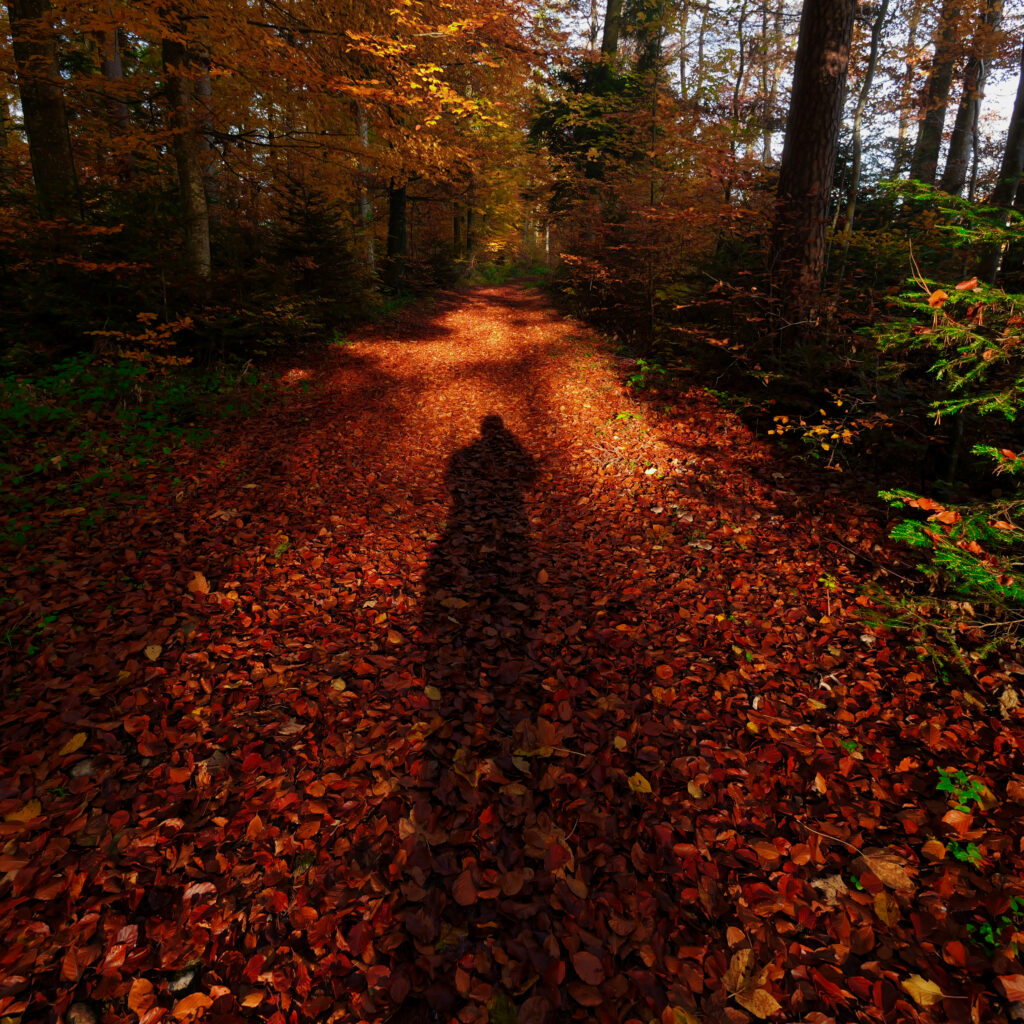
Lastly, what advice would you give to photographers looking to improve their eye for architecture and landscape composition — especially those using Micro Four Thirds cameras?
Going through life with open eyes offers so many beautiful and valuable subjects to explore in nature and in our cities. Especially in macro photography, where Micro Four Thirds cameras deliver outstanding results, I am constantly amazed by the world around us.
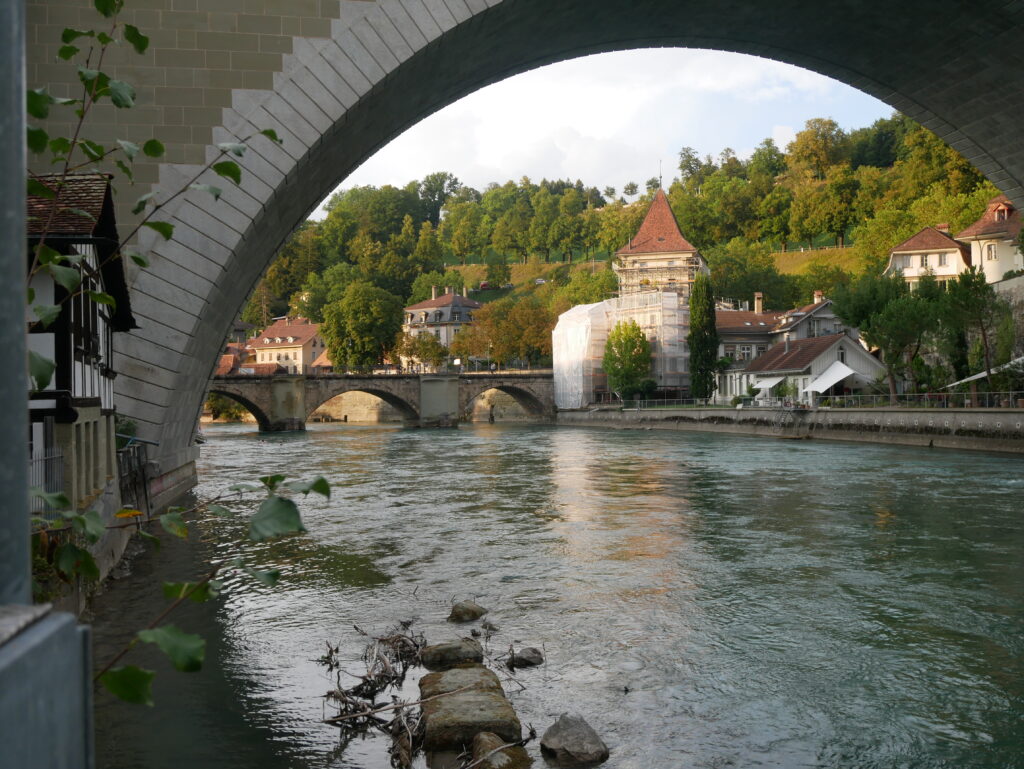
At 81, Swiss photographer Kurt Morgenthaler is a quiet force of creativity, carrying a lifetime of art into every frame he makes. From his early days as a hairdresser, wood sculptor, and graphite illustrator to his current work with Micro Four Thirds cameras like the Panasonic GX80 and G9 II, Kurt’s eye has always been drawn to the interplay of light, lines, and atmosphere. He favors lightweight Lumix bodies and carefully chosen primes and zooms, often stepping out with just one lens to see how it uniquely interprets the world. Whether he’s capturing spontaneous street scenes, thoughtfully composed landscapes with filters and a tripod, or intimate macro details, his goal is to get as close as possible to the final image in-camera, using tools like LUTs to refine his vision rather than fix it. Grounded in both technical curiosity and a deep sense of wonder, Kurt’s work is a reminder that if you move through life with open eyes, there is always something new and beautiful to discover – especially with a Micro Four Thirds camera in hand.
OpenFilmmaker would like to say a heartfelt thank you to Kurt Morgenthaler for his collaboration.