The year is 2026 and you’re looking at a Panasonic camera to start making that video or finally get into photography. If that sounds like you, you’ll want to read on.
Why Panasonic?
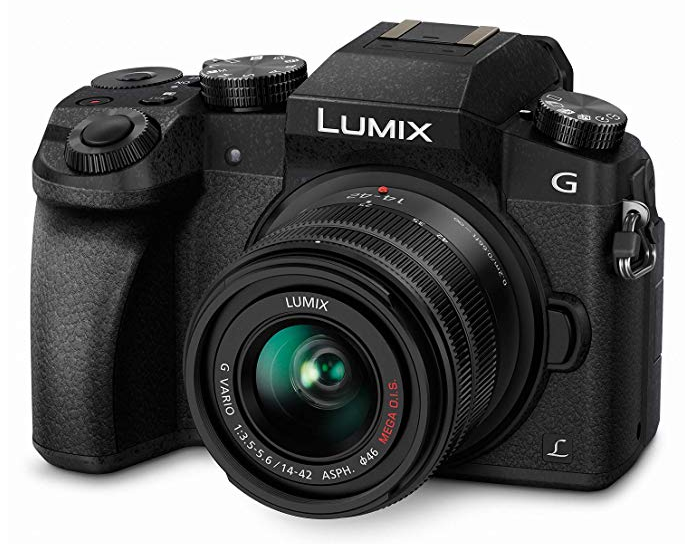
I got my first camera, the Panasonic Lumix G7, in the fall of 2017. At the time, I was not thinking about systems or ecosystems or long-term investments. I just wanted something better than my phone. Something that would let me take photos and videos in a way that felt a little more intentional. Over the years, I’ve used Canon, Olympus, and a few other brands. Some of them were better in certain areas. Better autofocus, better low light, more polished in specific ways. But when I think about the cameras that actually helped me learn and made me want to go out and shoot, I keep coming back to Panasonic. There is something about the way these cameras are designed that feels practical and approachable, especially in the beginning.
I started with the G7, and it was a great camera to learn on. It gave me everything I needed at the time and helped me understand both photography and video in a practical way.
But if I were starting today in 2026, I would not go out and buy a G7. Not because it is bad, but because there are better starting points now.
Cameras like the G97 or even the G100 make more sense today. They build on what made the G7 good, but add things that make the experience smoother. Better stabilization, updated usability, and a more modern feel overall.
The G7 was a great place to start then. The G97 or G100 is where I would start now.
The Experience of Using It
A lot of camera discussions get pulled into specs, but that is not what matters in the beginning. What matters is how the camera feels when you pick it up and try to use it. Can you figure things out without getting frustrated? Can you move through settings quickly? Does it make sense? Panasonic cameras tend to do really well here. The menu system is straightforward and the touchscreen helps you move through options without digging through endless layers. It sounds like a small thing, but it changes the experience. You spend less time trying to understand the camera and more time actually learning photography.
Seeing the Image Before You Take It
One of the biggest advantages of mirrorless cameras, including Panasonic, is the electronic viewfinder. What you see is very close to what you get. You can see your exposure before you take the shot, which means you start to understand how brightness, shadows, and highlights work in real time. With older optical viewfinders, you take the photo and then check the result after the fact. This difference speeds up the learning process more than most people realize.
Tools That Actually Help You Learn
Panasonic includes features that might seem small at first, but they quietly make a big difference. Focus peaking highlights what is in focus when you are using manual focus. Zebras help you identify overexposed areas so you do not lose detail in highlights. These tools help you understand what is happening in your image instead of just giving you a result. Over time, you start to rely on them without thinking about it.
Video Without the Friction
Panasonic has always leaned into video, and that shows even in their entry-level and mid-range cameras. You get solid 4K recording, and features like Cinelike D give you a flatter image that you can adjust later without needing to jump straight into more complex workflows. If you are someone who wants to shoot both photos and video, this balance matters. It feels consistent, and that makes it easier to experiment.
Room to Grow
When you first start, you may not use custom modes or programmable buttons very much. Over time, that changes. Panasonic cameras give you multiple custom settings and function buttons that you can tailor to your workflow. As you learn what you like, the camera adapts with you. It does not feel like something you outgrow quickly.
A Lens That Covers Most Situations
The 12 to 60mm kit lens is one of the better starting lenses you can get. It covers a useful range that works for everyday photography, travel, and even casual video. You can shoot wide scenes, portraits, and tighter shots without constantly switching lenses. When you are starting out, having a lens that just works removes a lot of friction.
Flexibility of the System
Micro Four Thirds gives you flexibility. You can keep your setup small and lightweight, or you can adapt lenses and try different looks. With something like a speedbooster, you can even use Canon EF lenses and get a different field of view and depth of field. It opens up options without forcing you into a single way of shooting.
Value
This is where Panasonic really stands out. You are getting a camera that can handle both photo and video well, with features that actually help you learn, at a price that is still reasonable. More importantly, you are getting something that encourages you to pick it up and use it.
So What Are the Best Panasonic Cameras in 2026?
At some point, the question comes up naturally. If Panasonic is such a good place to start, then which camera should you actually get?
The answer depends less on specs and more on how you plan to use it.
If you want the simplest entry point without overthinking things, the G85 is still one of the easiest cameras to recommend. It has everything you need to learn both photo and video, and more importantly, it feels predictable.
The newer G97 fits right into this same space, but with a more modern feel. It keeps everything that made the G85 approachable, but refines it. If someone is starting fresh in 2026 and wants that same reliable Panasonic experience, the G97 is the natural place to look.
If size matters and you want something you will actually carry, the GX85 or GX9 still stand out. These are the cameras that end up going with you more often. They are small enough to feel effortless, but capable enough that you do not feel limited.
If video becomes more of a focus, the GH5 is still relevant, but the GH7 is where Panasonic has clearly moved forward. It builds on everything the GH line was known for and brings it into a more modern system.
If you want something more modern across the board, the G9 II represents where Panasonic is heading. It improves autofocus and overall performance while keeping the usability that Panasonic is known for.
Full frame options like the S5 or S5II are also there, and they bring better low light performance and a different look. But they also come with bigger lenses and a slightly heavier setup.
Where This Lands
If you step back, there is a pattern.
Panasonic does not try to win by being the most exciting. It wins by being consistent, usable, and reliable across different types of shooting.
That is why cameras like the G85 still get recommended. That is why something like the G97 makes sense in 2026.
Comparison Table
| Camera | Sensor | Video | Stabilization | Autofocus | Body Style | Best For |
|---|---|---|---|---|---|---|
| G7 | 16MP MFT | 4K 30p | None (no IBIS) | Contrast AF | DSLR-style | Learning basics, budget entry |
| G85 | 16MP MFT | 4K 30p | IBIS (5-axis) | Contrast AF | DSLR-style | Beginner hybrid, stable video |
| G97 | 20MP MFT | 4K 30p | IBIS (improved) | Contrast AF | DSLR-style | Best modern beginner option |
| G100 | 20MP MFT | 4K 30p | No IBIS (EIS) | Contrast AF | Compact DSLR-style | Lightweight video + vlogging |
| GX85 | 16MP MFT | 4K 30p | IBIS (5-axis) | Contrast AF | Compact rangefinder | Everyday carry, travel |
| GX9 | 20MP MFT | 4K 30p | IBIS | Contrast AF (improved) | Compact rangefinder | Small, more refined shooting |
| GH5 | 20MP MFT | 4K 60p | IBIS | Contrast AF | Video-focused body | Budget video workhorse |
| GH7 | MFT (new gen) | Advanced 4K / high bitrate | IBIS | Phase detect AF | Pro video body | Serious video creators |
| G9 II | 25MP MFT | 4K / hybrid | IBIS | Phase detect AF | DSLR-style | Modern hybrid shooting |
| S5 / S5II | Full Frame | 4K / advanced video | IBIS | Phase detect (S5II) | Larger body | Low light, full frame look |
Final Thoughts
There are cameras with better specs and cameras that perform better in specific scenarios. But when you are starting out, the best camera is the one that helps you keep going.
Panasonic cameras tend to do that. They do not get in your way. They simply give you the tools you need to learn and create.