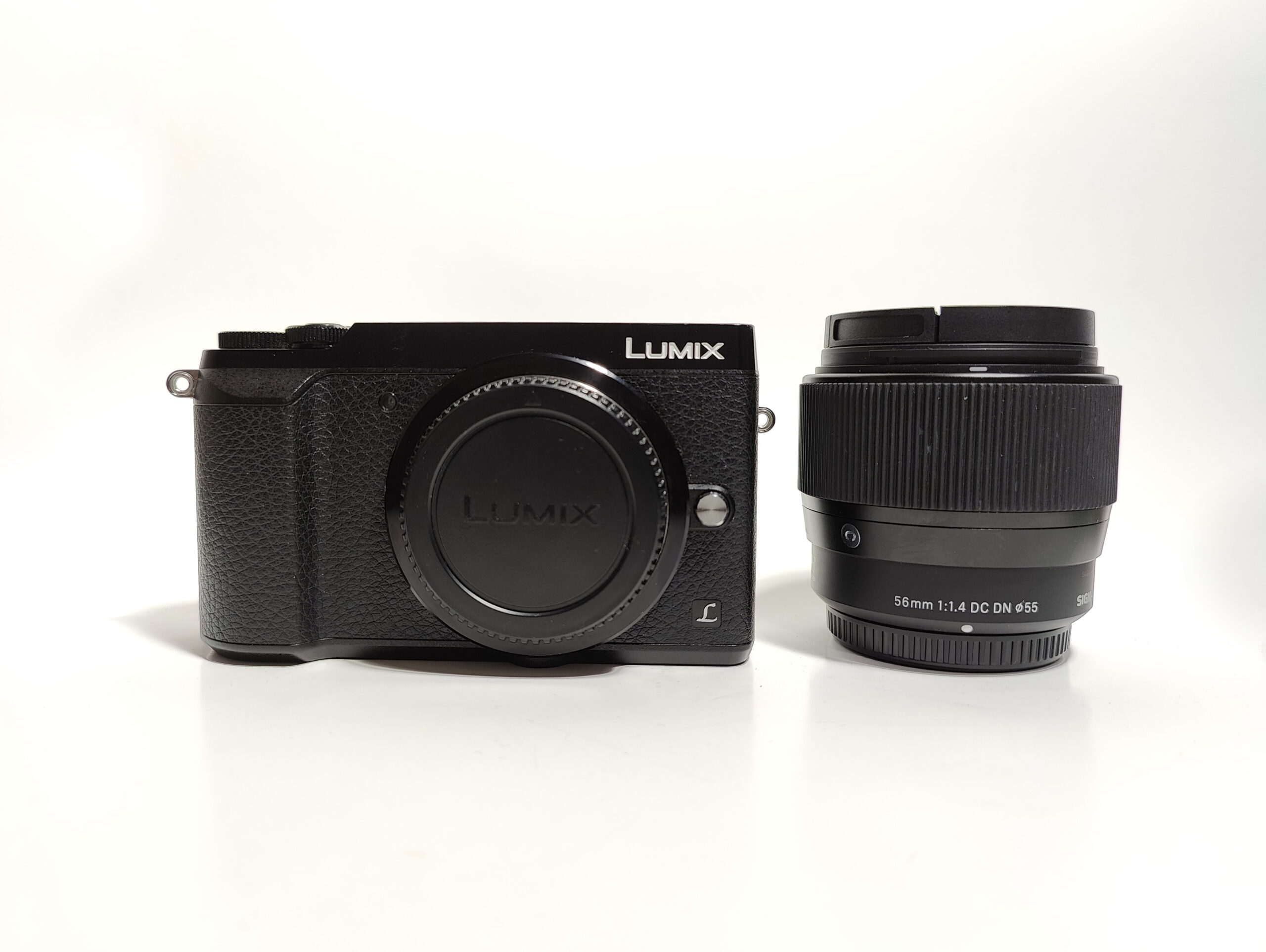
The conversation around Micro Four Thirds feels different lately. For a long time, it was mostly nostalgia. People talked about cameras like the GM1, GX7, or PEN-F and remembered how small and enjoyable they were to carry. Those cameras are still around, but mostly as used gear now, and finding one new with a warranty is almost impossible. Prices don’t always make sense either, which only adds to the feeling that those cameras belong to a different time.
Recently though, the tone has shifted. Instead of looking backward, people are asking why a modern compact MFT camera still feels missing. What makes this interesting is that the system itself has not stopped moving forward. OM System released the OM-3 and Panasonic released the G9 II, and both clearly show that the format is still evolving. The OM-3 brings strong autofocus, excellent stabilization, and a premium feel that blends classic design with current technology. The G9 II pushes performance even further and feels like a real step forward for Lumix in terms of autofocus and overall responsiveness. If you only look at specs, it would be easy to say the community already got what it asked for, but that doesn’t seem to be the case.
After reading through a lot of conversations, it becomes clear that the issue is not performance anymore. Most photographers are not asking for more capability. They are describing a different type of experience. The OM-3 and G9 II feel serious. They feel like cameras you intentionally decide to bring. What many people seem to want is something lighter in spirit, a camera you pick up without thinking too much, something that fits naturally into everyday life while still being modern enough that you never feel limited by it. Reliable autofocus is now expected. Stabilization feels normal in 2026. Even debates about mechanical shutters versus electronic readout tend to come down to trust rather than technology. Photographers are not chasing features as much as they are looking for confidence.
Where things start to feel more emotional is in the design itself. A lot of people still talk about rangefinder-style bodies and smaller form factors, not just because of how they look, but because of how they feel to use. The OM-3, while very capable, lives in a different space. It feels premium and deliberate. For some photographers, that is exactly what they want. For others, it feels a step removed from the spontaneity that made smaller MFT cameras special. Price plays into this as well. Once a camera reaches a certain level, comparisons to larger sensor systems naturally start to happen, even if those comparisons are not always fair.
There is also a sense of lost continuity. Many photographers feel like the lines they invested in slowly disappeared. GM users never really got a successor. GX users do not have a clear upgrade path. Even people who liked the PEN concept are still waiting for something that feels like a true evolution. The OM-3 and G9 II are strong cameras, but they do not fill that particular space, which is probably why the conversation keeps resurfacing. It is not just about what exists today, but about what feels unfinished.
The lens side of the system matters just as much. Compact bodies only make sense if compact lenses continue to exist. When pancake lenses disappear or small zooms stop evolving, the idea of a lightweight system starts to fade. One of the reasons Micro Four Thirds felt different in the beginning was that the entire system worked together. The bodies and lenses made sense as a package, and that balance is part of what made the format feel complete.
I find myself thinking about this more these days. I have used bigger cameras and I understand what they can do, but most of life does not happen in planned moments. It happens during family trips, with kids moving around, in small in-between spaces where you did not expect to take a photo. The camera that matters most is usually the one already with you. That was always the strength of Micro Four Thirds for me. It made photography easy to carry without making it feel like a compromise.
The OM-3 and G9 II show that the system still has strong technical momentum. What people seem to be looking for now is something that sits alongside those cameras, not above or below them. A modern compact option that brings back that sense of effortlessness while keeping the advances we have today. Maybe that is why this conversation keeps coming back. It is not really about chasing specs anymore. It is about wanting a camera that fits naturally into life again, the way some of the older MFT cameras once did.