Sitting on the Bleachers
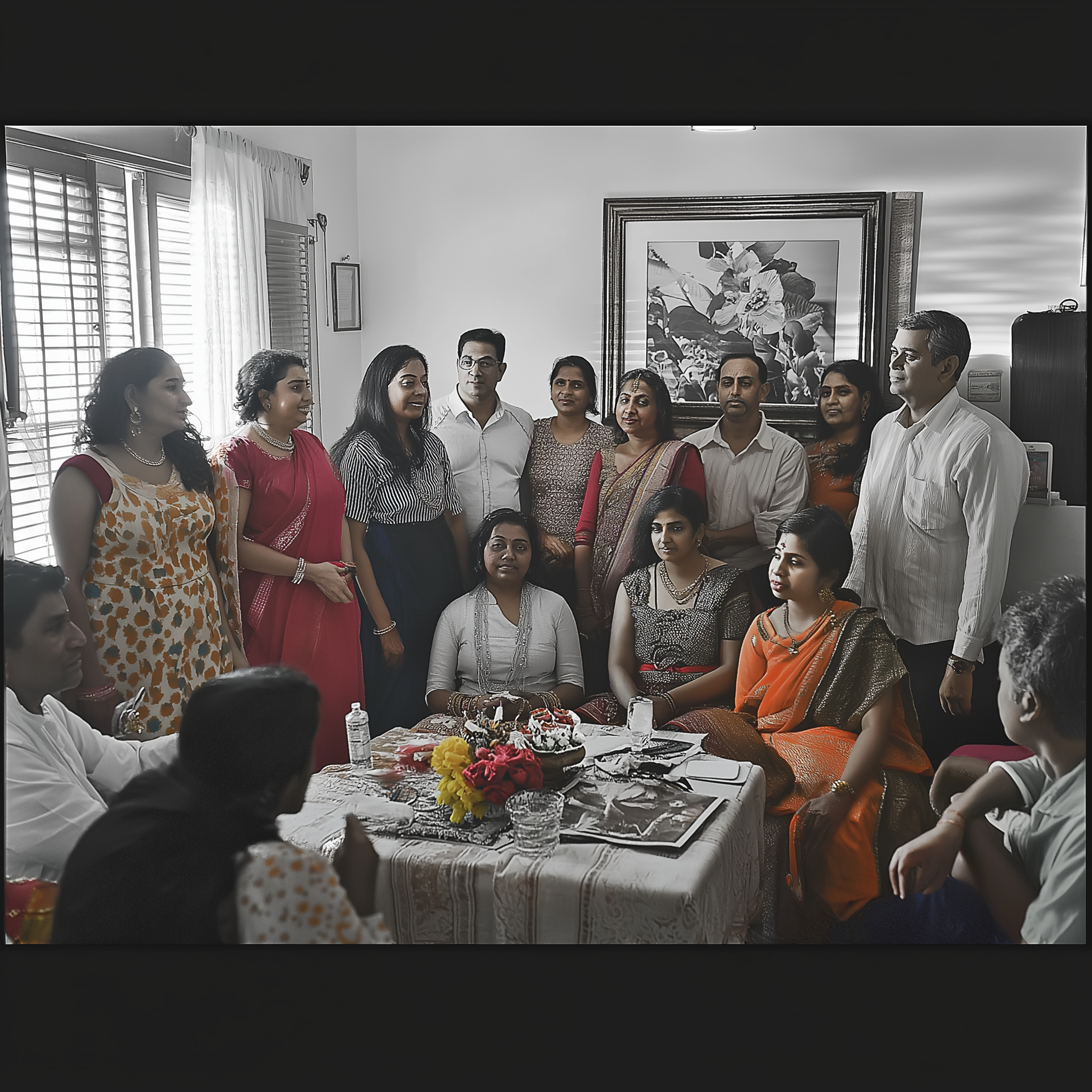
Last year, I spent a lot of time sitting on the bleachers, camera in hand, watching my kids play basketball. Somewhere between plays, I started noticing something I couldn’t ignore. The photos were fine, but they weren’t popping the way I expected.
They were five and seven at the time, and the games were exactly what you would expect at that age. A lot of movement, not always a lot of structure, and moments that appeared and disappeared before you could fully anticipate them.
I brought my Micro Four Thirds kit with me. Most of the time I was using the Olympus E-M1, sometimes the GX9 as a backup. For lenses, I started with the Sigma 56mm f/1.4, which on paper felt like the right choice for indoor sports. It’s fast, sharp, and gives you some level of subject separation even on Micro Four Thirds.
But sitting there during those games, reviewing images in between plays, I kept feeling like something was missing. The shots were technically fine. Focus was there, timing was there, and I was capturing real moments. But they didn’t have the kind of presence I had in my head. They didn’t feel like they stood out.
Working Within the Frame
Part of it was the limitation of the prime lens. With kids’ basketball, the action doesn’t come to you in a predictable way. You can’t reframe by moving much when you’re stuck on the bleachers, so you end up waiting for the play to happen inside your frame. Sometimes it works, but often it doesn’t.
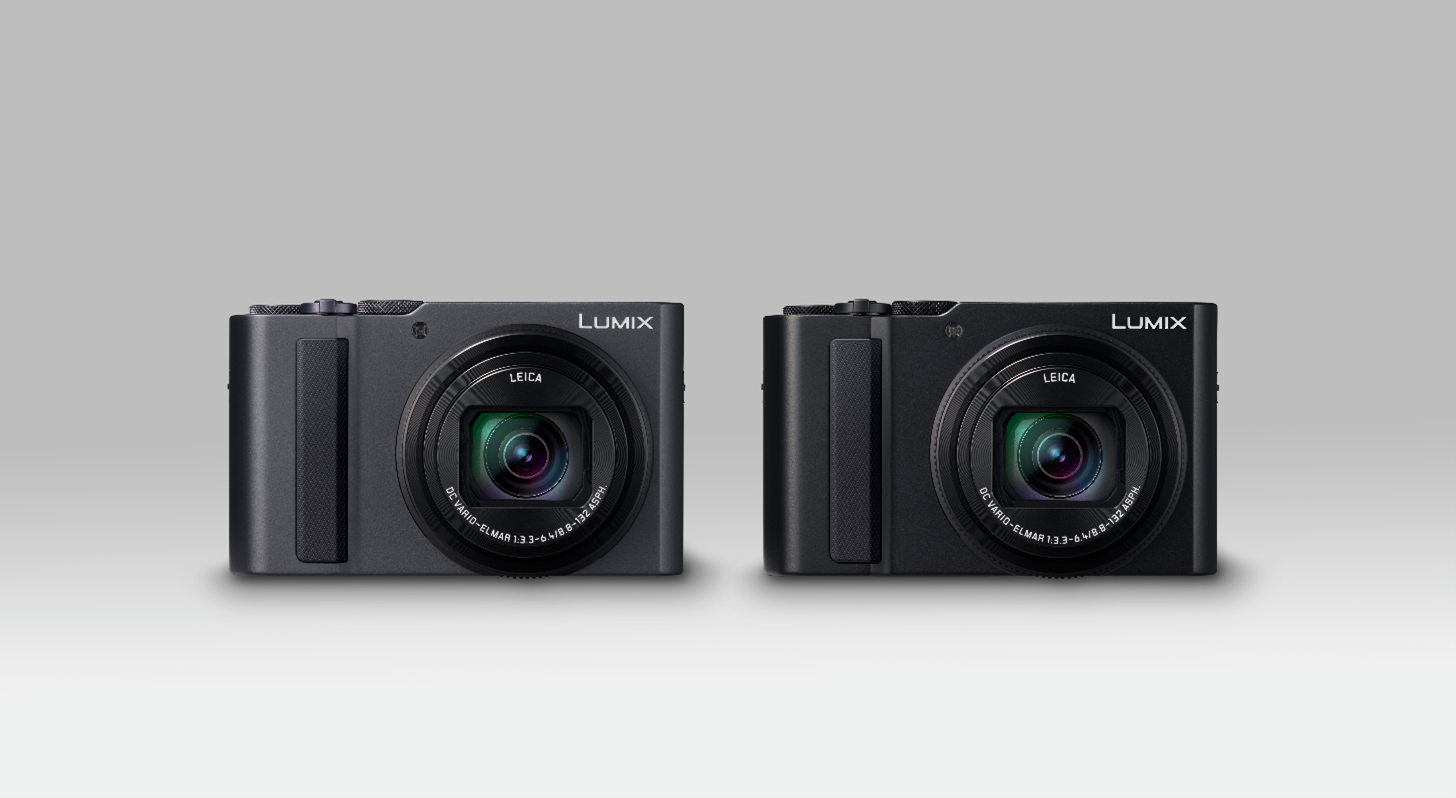
That’s what pushed me toward the Lumix 35–100mm f/2.8. The flexibility helped immediately. I could follow the play, adjust framing, and generally come away with more usable shots. The zoom solved one problem, but it exposed another.
Even then, something still felt off when I looked at the images later. The backgrounds were busy, the gym lighting wasn’t doing me any favors, and as the ISO climbed into the 3200–6400 range, noise became more noticeable. I wasn’t missing shots, but I wasn’t getting the kind of separation that gives an image that clean, cinematic look.
Seeing the Difference
At some point, I tried shooting with a Canon R5 paired with a 70–200mm. The difference was immediate. Not subtle, not something you had to zoom in to see. You could recognize it right away in the way the subject separated from the background.
Players stood out in a way that Micro Four Thirds doesn’t quite replicate under the same conditions. The background fell away more easily, and the images looked closer to what you typically associate with sports photography online.
That kind of look carries a certain weight. It feels professional. It looks like what you would expect from someone shooting on assignment, not someone sitting on the bleachers at a kids’ game.
And that’s where I had to pause.
The Environment You’re In
I wasn’t on the sidelines of a professional game with full access and controlled positioning. I was on the bleachers in a small indoor gym with limited angles and very little ability to move. The players weren’t consistently positioned, and the moments I cared about weren’t always the obvious action shots.
A lot of what I ended up liking were the in-between moments. Kids reacting on the bench, glancing toward their parents, or just being part of the chaos of the game.
In that kind of environment, Micro Four Thirds didn’t feel like a limitation. It felt like a different way of seeing the scene. The deeper depth of field meant more of the environment stayed visible, and while that reduces subject isolation, it also preserves context. You’re not just isolating a player. You’re capturing the moment they exist in.
Trying to Fix It in Post
I did experiment with editing to close that gap. Lightroom and Photoshop give you plenty of tools to simulate background separation. You can mask the subject, reduce clarity in the background, add blur, and guide the viewer’s eye more intentionally.
These techniques help, and you can get surprisingly close. But over time, it started to feel like I was fixing something that wasn’t actually broken. The images were already doing what I needed them to do. They just didn’t match the version of sports photography I had in my head.
The Gear I Actually Reached For
That realization started to influence what I brought with me. I ended up preferring the Sigma 56mm f/1.4 over the 35–100mm more often than I expected. Even though it was less flexible, it simplified how I approached the game and made me more intentional about what I chose to frame.
I also consistently chose the E-M1 over the GX9 and GX85. The handling, the responsiveness, and the overall confidence it gave me made a difference in a setting where everything happens quickly and unpredictably.
Full Frame Isn’t the Point
There’s no question that a full-frame setup like the Canon R5 with a 70–200mm produces a more polished and isolated look. It’s a powerful combination, and the results look undeniably professional.
But it’s also a $5,000+ setup, larger, heavier, and built for a different kind of shooting experience. Carrying that into a small indoor gym, sitting shoulder to shoulder with other parents, starts to feel a little out of place. Not wrong, just… disconnected from the setting.
These aren’t professional assignments. These are kids’ games. Moments that are messy, unpredictable, and personal.
Where I Landed
For youth basketball, especially from the bleachers, Micro Four Thirds ended up being more practical and more aligned with what I was actually trying to capture.
What surprised me was that the results still felt more than good enough. In many cases, they felt close to professional, or at least semi-professional, in a way that was already far beyond what a phone could produce. The images had clarity, intention, and enough subject separation to stand on their own.
More importantly, they were images I could actually print. Photos I would want to hang. Not because they were perfect, but because they captured something real.
What Matters More Than the Look
The images may not have the kind of separation I originally expected. They may not “pop” in the way full-frame images often do.
But they hold something more important.
They capture what it felt like to be there, without the gear getting in the way.