At some point, you might find yourself doing this.
Waking up early, often before anyone else is awake. Driving out to a quiet location, not entirely sure if the conditions will work. And then waiting. Not for something dramatic to happen instantly, but for light to slowly reveal itself.
At first, nothing really changes.
Then gradually, the sky begins to shift. Blues soften into orange. Shadows stretch across the ground. The world feels different, even if nothing in it has moved.
And almost instinctively, you lift your camera.
We call this golden hour.
But moments like this did not start with photography.
People have been drawn to this kind of light for a very long time.
Before Cameras, There Was Light
Long before lenses, sensors, or editing software, people were already paying attention to light. Not casually, but with intention.
Entire civilizations studied the movement of the sun. Structures were often aligned with sunrise and sunset. Time was tracked using its position in the sky. Seasons and daily life were closely tied to it.
In India, the sun came to be represented as Surya, associated with life and energy. Morning rituals often centered around greeting the first light of the day.
In Japan, the sun goddess Amaterasu holds an important place in mythology, representing harmony and order.
In ancient Egypt, Ra was believed to travel across the sky each day, bringing light and returning again after passing through darkness. The rising sun was often associated with renewal.
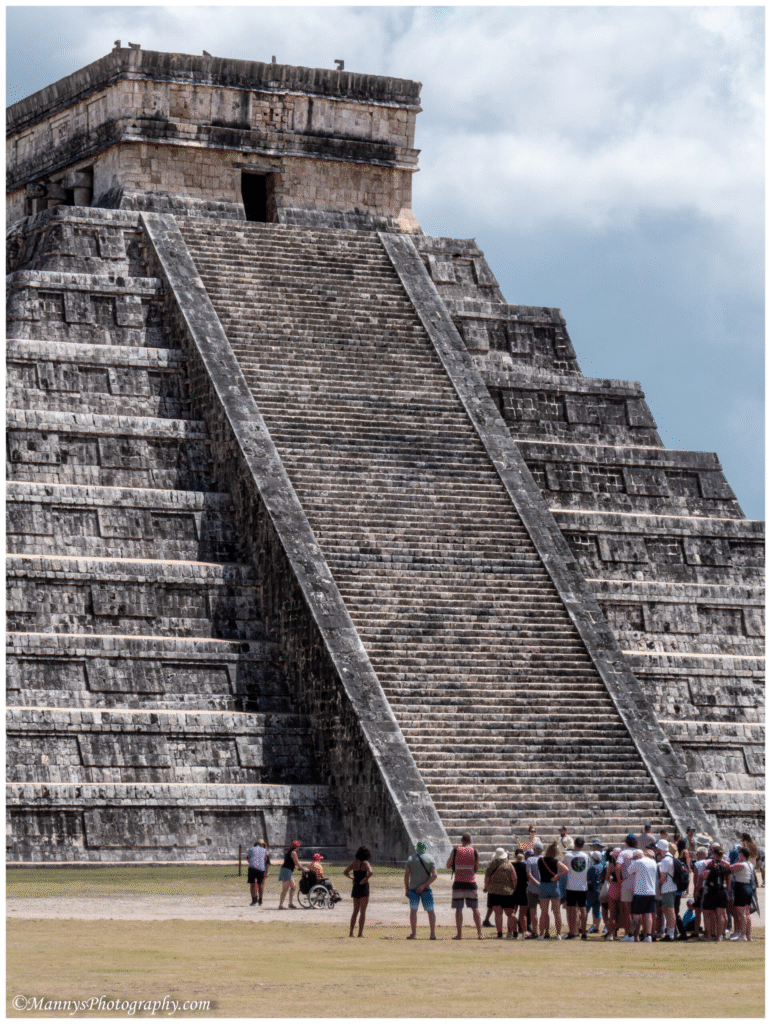
In the Inca civilization, rulers were believed to be connected to the sun, and temples were built in its honor. The Aztecs placed the sun at the center of their worldview, linking it closely to their understanding of life and continuity.
In the Roman Empire, Sol Invictus, the unconquered sun, became a symbol of endurance.
Across different cultures, the details varied, but the idea shows up again and again.
People did not just observe light.
They tried to understand it.
When the Meaning of the Sun Changed
Over time, not every belief system treated the sun the same way.
In Christianity, the sun was no longer seen as something to worship, but as part of creation. It was something made by God rather than something divine on its own. The focus shifted away from the sun itself and toward what it represented.
Instead of being worshipped, light became symbolic. It was used to describe truth, guidance, and presence. Darkness often represented confusion or absence, while light represented clarity.
Growing up, I remember our church participating in something called Speed the Light. We would raise money for missions, and one of the ways we did that was by selling light bulbs. It felt simple at the time, but looking back, it is interesting how even then, light was tied to something meaningful.
So while the sun itself stepped back from the center, its meaning did not disappear.
It changed.
Chasing the Light
Today, the context has changed, but some of the behavior feels familiar.
Photographers often plan their days around light. Checking the weather. Tracking the sun’s position. Scouting locations. Waiting for the right moment.
Golden hour has a pull that is hard to explain unless you have experienced it. It is not just about better photos. It is about how the scene feels during that window of time.
There is a rhythm to it.
On trips, I have found myself doing this without planning it. Waking up before the family, stepping outside with a small camera, and just seeing what the light looks like that morning.
Not Always the Sun, But Always Light
Not every photograph depends on the sun directly. In studios, light is built from scratch, shaped, softened, and controlled with intention. Product shots, portraits, and commercial work often rely entirely on artificial lighting.
Even then, the reference point does not fully go away.
Many lighting setups are designed to imitate or adapt qualities we associate with natural light. The way shadows fall, how diffusion softens edges, or how warmth affects mood.
The sun may not be visible in every photograph, but it still influences how light is approached.
Why Golden Hour Feels Different

When the sun sits low on the horizon, its light travels through more of the atmosphere before reaching the ground. Shorter blue wavelengths scatter, leaving behind warmer tones.
The result is softer, more directional light with longer shadows and more visible texture.
It is easier on the eyes and more forgiving in most scenes.
Once you notice it, you start looking for it.
It is also why I tend to carry smaller gear most of the time. When the light shows up, being ready matters more than having the perfect setup.
A Pattern That Has Stayed With Us
Across time, people have watched light, waited for it, and tried to make sense of it.
At different points, that turned into ritual, belief, or observation.
Today, for some of us, it shows up through a camera.
We do not build temples aligned to the sun anymore.
But we still frame scenes around it.
The tools are different.
But the instinct feels familiar.
Why It Still Matters
Photography is not just about documenting what is in front of you.
It is about noticing moments shaped by light and choosing to preserve them.
The same source that once guided entire civilizations still influences how images look and feel.
You may not always think about it while shooting.
But it is there.
Final Thought
The next time you are out early, waiting for the sun to rise, or watching it fade at the end of the day,
pause for a moment.
You are not just taking photos.
You are participating in something much older.
People have always been drawn to light.
And in one way or another,
we are still chasing it.