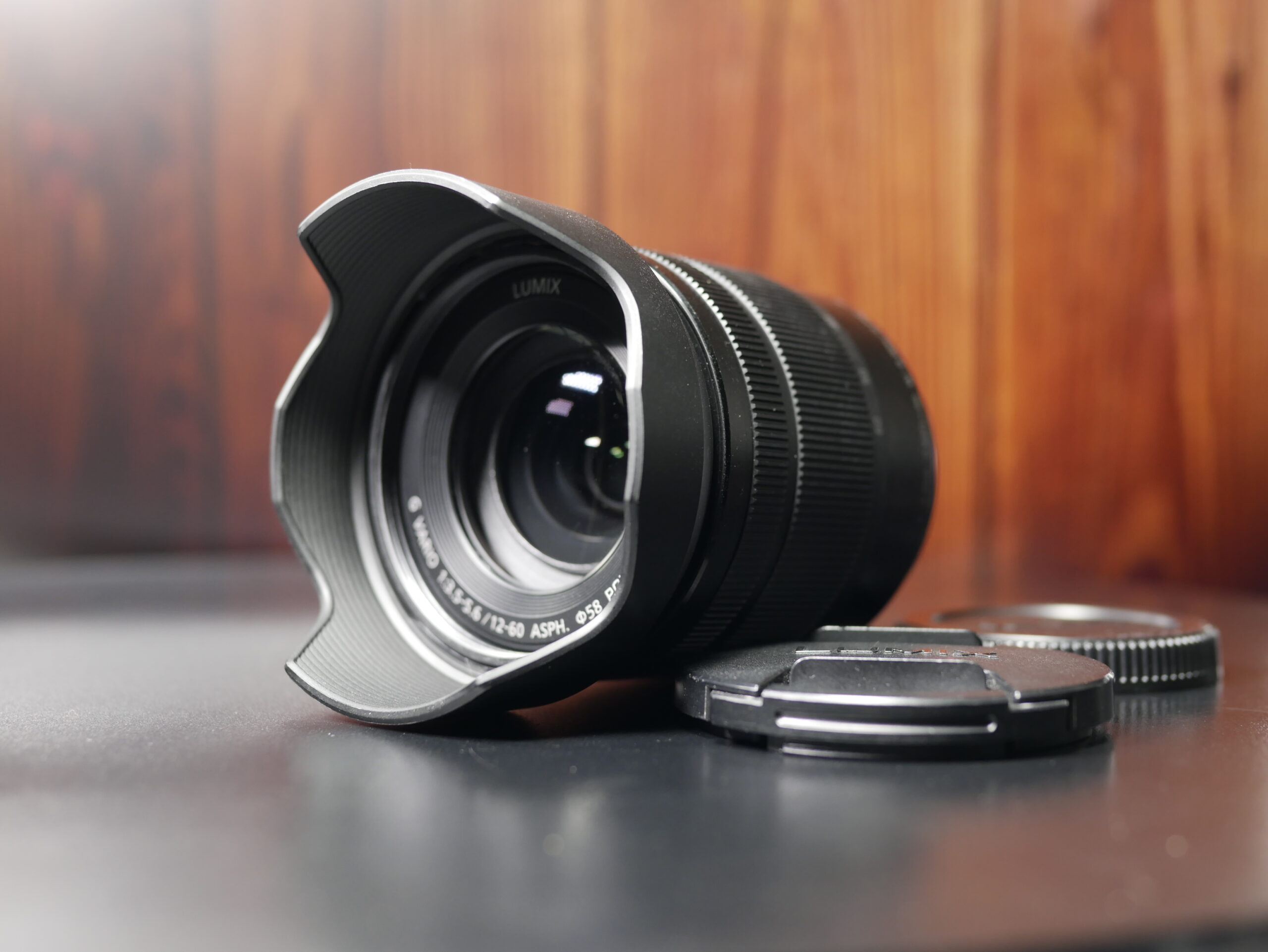
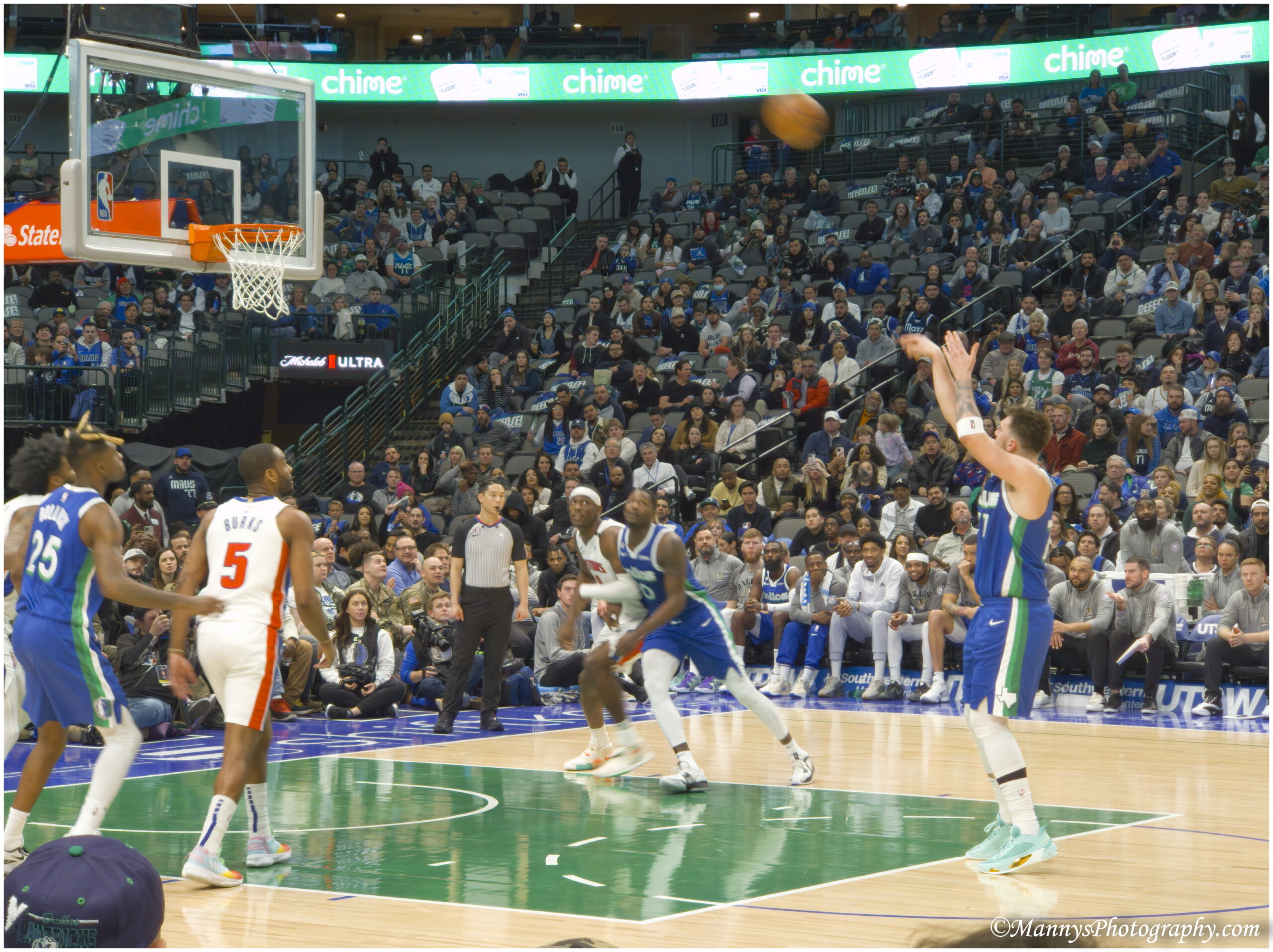
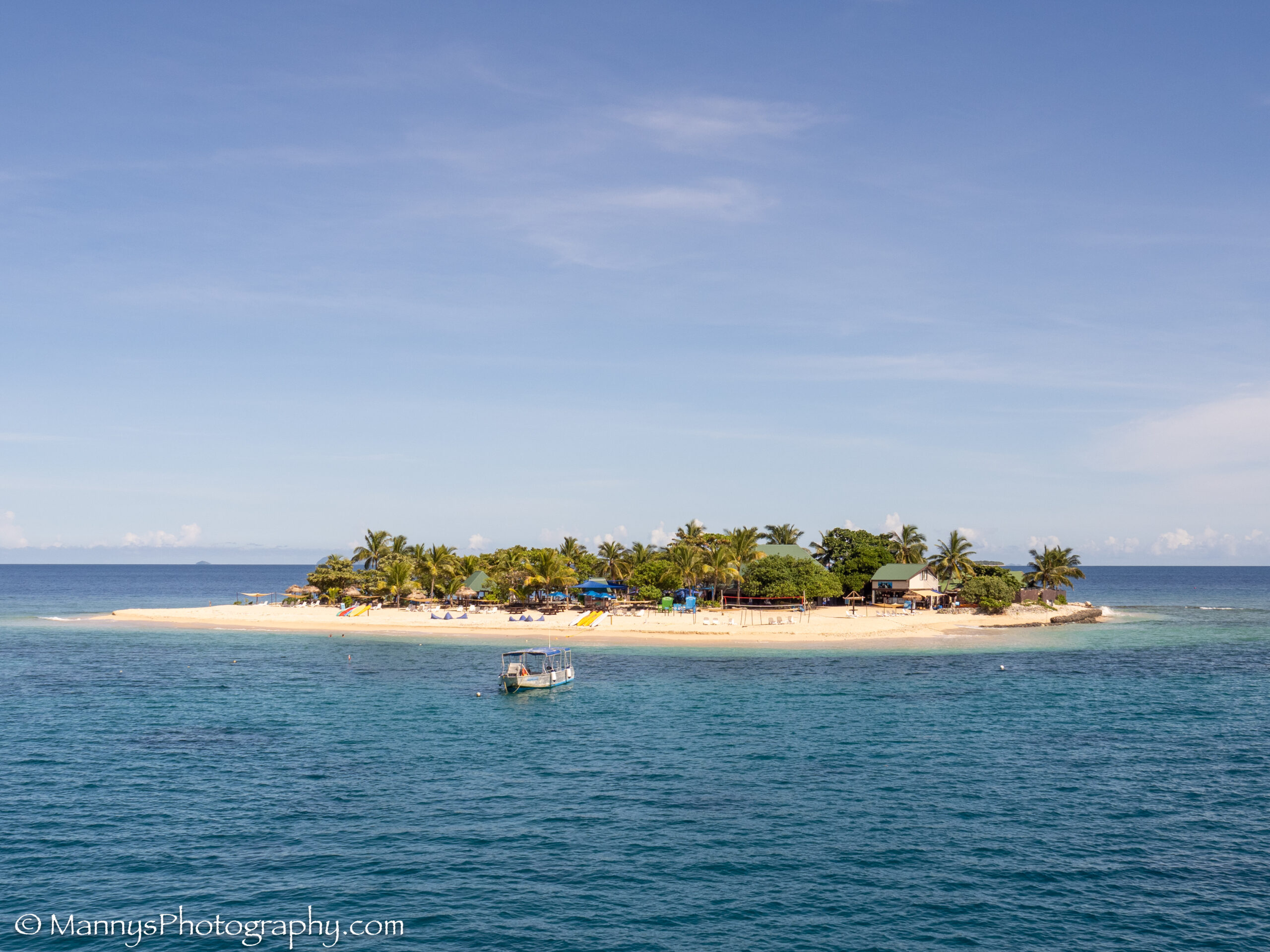
I met Darryl through a local photography club, back when I was still trying to figure out what I was doing. I had just bought my first camera in late 2017, a Panasonic G7, and I had a ton of questions, especially about Micro Four Thirds. Darryl had been shooting M43 for a while, and he had this calm, steady way of explaining things that made everything feel less overwhelming.
What really grabbed my attention early on was his model photography. His lighting was strong, his edits were clean, and his work had a polished look that still felt natural. I remember thinking, okay, this is what it looks like when someone really knows what they’re doing.
Over time, he became my go-to person for anything camera-related. Settings, gear choices, lighting, even YouTube and content creation, he always had thoughtful advice. He also introduced me to parts of photography I was not even thinking about yet, like photo printing, flash photography, working with backdrops, and building a simple setup that actually looks professional. He shared everything with no agenda and no expectations. He just helped, because that is who he is.
As we talked more, we built a real friendship, and he introduced me to a few of his friends who were also deep into photography. Without a doubt, Darryl was a crucial part of my photography journey. I was sad when he moved to Nebraska to be closer to family, but I also knew he was only a phone call away. Even though he no longer shoots, he still makes time to answer my questions to this day. I am grateful our paths crossed, and I am grateful for the mentorship he has given me over the years.
I wanted to share Darryl’s story in a way that feels true to how I have known him. Below is a Q&A where he talks about his path into photography, how he got into model work, the gear he shot over the years, his approach to lighting, and what life looks like now that he has stepped away from shooting.
1) Tell us about yourself. Where were you born and raised, what was your career, and how did photography become part of your life?
I was born in California and raised in Texas. I started working for the U.S. Federal Government in 1976 as a Financial Manager, which led to several moves over the years: Nebraska, Germany, back to Nebraska, then Germany again, and later Milwaukee, Wisconsin for five years. After 27 years away, I finally returned to Texas in 2001.
Photography has been part of my life for a long time, but my love for street photography was especially rekindled while I was living in Germany.

2) How did you get started with model photography, and what drew you toward that style?
I got into model photography by accident. While living in Milwaukee, I met a couple of photographers and joined their meetup group. Through that group, I was contacted by a model from California who was one of the early “internet models” and was visiting her parents in Milwaukee.
At first, I was hesitant to work with her, but she reached out several times. Eventually we did my first model shoot on Lake Michigan. That experience sparked my interest in fashion and beauty photography.

3) How did your photography evolve over time, and what pushed you to try different kinds of work?
I stayed with that style of photography during the five years I lived in Milwaukee. When I moved back to Texas, I stepped away from photography for about three years.
After my wife passed away, I was in a very low place, and street photography became a way for me to reconnect with something meaningful. I joined another photography group that held monthly model shoots, and I met two models who really liked my work. They encouraged me to go out on my own.
Later, I met Jovy Roden, who was heading to film school in San Francisco. We became good friends and decided to get into wedding photography together. We photographed weddings for about three years.

4) You’ve used a lot of camera systems, from film to digital. What did you shoot on over the years?
My first camera was a Kodak Brownie that shot 120 film when I was 14. My second was a Yashica D. After that, I bought a Kowa D 35mm at 19, followed by a Minolta SRT-101, then Pentax, Canon, Nikon, Olympus, Lumix, and Sony. The last four brands were digital. Out of all of them, Lumix was my favorite.

5) When shooting on location, what was your basic lighting setup?
When shooting on location, I typically carried a light stand, a softbox, and a lightweight strobe to use as fill light.

6) What are one or two shoots that still stick with you today, and what made them memorable?
My most memorable shoot was my first solo model shoot on Lake Michigan.
Another moment that stands out was my first fashion show. The model who asked me to photograph it got into a heated argument with her husband right before the show started. She was very upset and did not want to go on. I talked with her and encouraged her to still do the show, and she came through with flying colors.

7) Model photography requires trust. What rules or boundaries did you follow to keep shoots comfortable and professional?
Finding models can be simple, but you have to do it respectfully. A business card is essential. If you meet someone who you think could be a great model, introduce yourself, offer your card, and make the invitation without pressure. If they are interested, they will follow up and schedule something.
I always encouraged models to bring a friend to the first shoot. If they were not interested, I would thank them for their time and move on.
I also followed a few strict rules:
- Never touch a model
- Never enter a room where they are dressing or changing
- Direct using your voice and hand signals, and keep the energy positive with encouragement during the shoot

8) What led you to step away from shooting?
Because of back issues, I eventually could not stand for long periods. Most of my later shoots were done seated. My last shoot was in 2024, and I later moved back to Nebraska to be closer to my daughter.

9) Do you miss photography, or do you enjoy the freedom of stepping away from it?
After arriving in Nebraska, I simply did not pick up a camera again. I sold all my camera gear this year, and no, I do not miss it.
My new passion is collecting soccer balls from different international tournaments and leagues from Europe, South America, and Africa.

10) What advice would you give to someone today who wants to get into model or portrait photography, and where can people see your work?
Follow your passion. Learn lighting by studying the different lighting styles used by other photographers, and join meetup groups to practice, learn, and meet other creatives.
Most of my photography is on Instagram under the name DL Photographics.

Talking with Darryl reminded me how much of photography is shaped by the people who guide you at the right time. He built a career, lived a full life across different places, and still made room for creativity, learning, and community. Whether it was model shoots, lighting, or simply knowing how to carry yourself with respect and professionalism, he always approached it with patience and clarity.
Even though he has stepped away from shooting and sold his gear, the impact of his work and his mentorship is still very real. His photos hold up, his lessons stick, and the way he gave his time and knowledge so freely is something I will always appreciate. I am thankful he took the time to share his story here, and even more thankful our paths crossed when I was just getting started.